When you think of packaging, what comes to mind? Cardboard boxes, plastic wraps, and maybe even glass containers. But have you ever heard of Pappedeckel? This unique material is making waves in the world of packaging and food preservation. It might not be as familiar as other options, but its versatility and functionality are worth exploring. Whether you’re a business owner looking for eco-friendly solutions or just curious about innovative materials, understanding Pappedeckel can enhance your knowledge about sustainable choices in our daily lives. Let’s dive into what makes Pappedeckel special and why it deserves a spot on your radar.
What is Pappedeckel and How is it Made?
Pappedeckel, often referred to as paper lids, is a sustainable alternative to plastic packaging. These innovative products are made from high-quality, biodegradable materials that can safely decompose after use.
The manufacturing process begins with sourcing renewable resources like recycled paper or plant-based fibers. The raw materials undergo pulping and refining before being shaped into the desired form.
Once molded, they are treated for water resistance and durability without compromising their eco-friendliness. Various finishing techniques may be applied to enhance appearance and functionality.
Pappedeckel serves various industries, providing an effective solution for food containers, beverages, and more. With rising environmental concerns, this product presents a compelling option for businesses aiming to reduce their carbon footprint while maintaining quality standards in packaging.
Properties of Pappedeckel
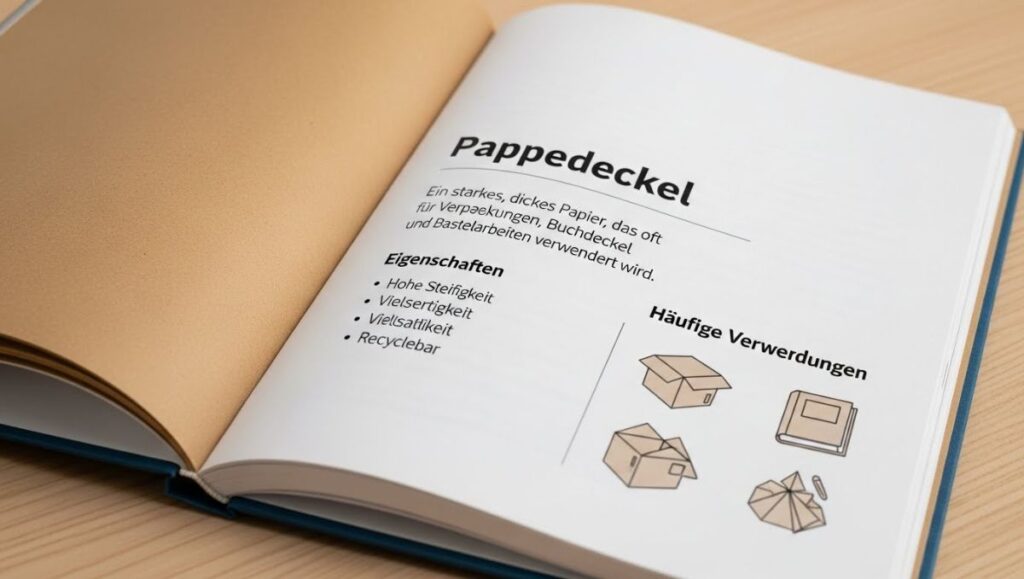
Pappedeckel, a versatile material, boasts several notable properties that contribute to its wide array of applications. Its lightweight nature makes it easy to handle and transport, which is essential for various packaging solutions.
The material also exhibits excellent rigidity. This characteristic ensures products maintain their shape during storage and transportation, providing an effective barrier against external pressures.
Moisture resistance is another key property of Pappedeckel. It protects contents from humidity while maintaining structural integrity.
Additionally, this material is customizable in terms of thickness and size. Such adaptability allows manufacturers to tailor Pappedeckel according to specific requirements.
Its eco-friendly composition enhances its appeal in today’s environmentally conscious market. Biodegradability ensures it breaks down naturally over time when disposed of properly.
Common Uses of Pappedeckel
Pappedeckel, often recognized for its versatility, is widely used in various industries. One of its primary applications lies in food packaging. It serves as an effective cover for ready-to-eat meals and takeout containers.
Artisans also appreciate Pappedeckel for crafting unique products. From handmade journals to decorative boxes, this material adds a touch of creativity and functionality.
In the beverage industry, Pappedeckel finds its place as a protective seal for cups and bottles. It helps maintain temperature while preventing spills during transport.
Moreover, businesses utilize Pappedeckel labels to provide essential information about their products. These labels are crucial for branding and compliance with regulations.
Educational institutions sometimes use Pappedeckel in classrooms or workshops as an eco-friendly alternative to plastic materials in arts and crafts projects.
Advantages and Disadvantages of Using Pappedeckel
Pappedeckel offers several advantages that make it a popular choice in packaging. Its lightweight nature reduces shipping costs and is easier to handle during production. The material is also customizable, allowing brands to print vibrant designs and information directly onto the surface.
However, there are some drawbacks to consider. Pappedeckel may not provide the same level of moisture resistance as plastic alternatives, potentially compromising product integrity. Additionally, its durability can be an issue for heavier items or those requiring extra protection.
Another factor is disposal. While Pappedeckel is generally recyclable, improper disposal practices can lead to environmental concerns. Consumers must be educated on how to recycle effectively.
As with many materials, balancing these pros and cons depends on specific use cases and personal preferences.
Environmental Impact of Pappedeckel
The environmental impact of Pappedeckel is an important consideration in today’s eco-conscious world. Made primarily from paperboard, it offers a biodegradable alternative to plastic lids. When disposed of properly, Pappedeckel can decompose naturally without contributing to landfill overflow.
However, the sustainability of Pappedeckel depends on its production process. Sourcing materials from responsibly managed forests reduces deforestation and promotes ecological balance. Choosing products certified by organizations like the Forest Stewardship Council (FSC) can enhance this aspect significantly.
On the flip side, if not recycled or composted correctly, these paper-based lids might still end up in landfills where they take longer to break down than expected. Consumer behavior plays a crucial role here; proper disposal methods are essential for maximizing their environmental benefits.
Awareness about how we handle such materials ultimately influences our planet’s health and resource conservation efforts.
Alternatives to Pappedeckel
When considering alternatives to Pappedeckel, several options stand out. One popular choice is plastic lids. They offer durability and can be reused multiple times.
Another alternative involves metal lids, commonly used in food preservation. They provide a tight seal and are excellent for canning purposes.
Biodegradable materials like cornstarch-based products are gaining traction as eco-friendly substitutes. These options decompose more easily than conventional plastics.
For those focused on sustainability, glass containers with airtight seals present an appealing option too. They’re versatile and eliminate the need for single-use items entirely.
Beeswax wraps can serve as a natural covering for food items instead of traditional lids. Their reusability makes them both practical and environmentally friendly. Each alternative presents unique benefits tailored to various needs and preferences.
Conclusion
Pappedeckel has become an integral part of various industries due to its unique properties and versatility. Its lightweight yet sturdy design makes it a popular choice for packaging solutions, particularly in food service and retail sectors. The material’s resilience against moisture adds to its appeal, ensuring that products remain fresh while minimizing waste.
Understanding the environmental impact of Pappedeckel is crucial as we navigate through sustainable practices. While it offers some advantages over plastic alternatives, such as biodegradability and recyclability, there are still challenges regarding production processes and sourcing materials responsibly.
As consumers increasingly demand eco-friendly options, exploring alternatives to Pappedeckel can be beneficial. Many businesses are now considering other biodegradable materials that serve similar purposes without compromising quality or safety.
Pappedeckel stands out not just for its functionality but also for the role it plays in promoting sustainability within modern packaging solutions. It’s essential to weigh both its benefits and limitations carefully when choosing materials for your specific needs.